Announcement
How to Implement AI Search Optimization for Maximum Visibility
written by:
William gyltman
How to Implement AI Search Optimization for Maximum Visibility
AI search optimization is the process of ensuring your brand is visible and frequently recommended within AI-powered tools like ChatGPT, Gemini, and other language models. These tools are redefining how users discover, evaluate, and choose brands, making optimization an increasingly essential strategy for staying competitive in today’s digital landscape. This guide dives deep into actionable strategies you can adopt to improve your brand’s presence in AI-driven search environments. By focusing on techniques such as enhancing trust signals, securing authoritative citations, and continually adapting to evolving AI models, you can position your brand as the go-to solution when potential customers seek recommendations. Ultimately, these efforts lead to improved visibility and measurable revenue gains, keeping you ahead in the AI era.
Understand how AI search differs from traditional SEO.
Identify key AI models to optimize for.
Audit your brand's current AI visibility.
Implement trust signals and relevant citations.
Continuously adapt to AI model updates and buyer behavior.
What is AI search optimization?
AI search optimization is the process of enhancing your brand’s visibility, credibility, and recommendation frequency within AI-driven tools like ChatGPT, Gemini, and Perplexity. These tools rely on advanced algorithms that evaluate and rank brands based on their relevance, authority, and reliability. By mastering AI search optimization, businesses ensure that their brand is top-of-mind during critical decision-making moments when users are actively seeking solutions. Unlike traditional SEO, which focuses on optimizing web pages for search rankings, AI search optimization revolves around building trust signals, securing authoritative citations, and aligning your brand with user intent. For example, instead of merely ranking a webpage for “best CRM software,” AI optimization ensures that when a user asks ChatGPT, “What is the best CRM for small businesses?” your brand is suggested as a reliable solution.
The fundamental difference lies in how AI tools prioritize intent and credibility. AI models analyze a combination of factors, including citations, sentiment analysis, and historical data, to determine which brand best answers the user’s query. For instance, if someone asks, "What are the top project management tools?" an AI tool assesses whether your brand has been referenced in credible industry sources and whether customers have positively reviewed it. These tools don’t just look for keywords; they aim to provide the most trustworthy and relevant answer, making it imperative to focus on trust-building strategies rather than traditional keyword stuffing or backlink generation.
AI search optimization integrates multiple disciplines, including Artificial Intelligence Optimization (AIO), Answer Engine Optimization (AEO), and Generative Engine Optimization (GEO). Each of these frameworks contributes to how AI systems interpret and recommend brands. AIO ensures that AI models understand your brand’s attributes and relevance, AEO focuses on crafting content that directly answers user queries, and GEO ensures that your brand is incorporated into the generative process when AI produces its responses. By applying these combined strategies, brands can achieve a higher frequency of recommendations and ensure they remain visible and credible across AI-driven ecosystems.
Why is AI search optimization important?
AI tools like ChatGPT, Gemini, and Perplexity are transforming how consumers make purchasing decisions, handling billions of queries monthly. These tools are particularly influential during high-intent moments, such as when buyers are actively researching software, products, or services they intend to purchase. AI search optimization ensures that your brand not only appears during these moments but also stands out as a trusted recommendation. When your brand is frequently recommended by AI, it builds credibility with users and opens up valuable opportunities to convert high-intent leads into loyal customers. Without optimization, your brand risks being overlooked entirely, leaving room for competitors to dominate the conversation and capture market share.
AI search influences high-intent buyer decisions.
AI-driven recommendations improve trust and credibility.
Brands optimized for AI gain a competitive edge.
How does AI search differ from traditional SEO?
AI search optimization stands apart from traditional SEO by focusing on how AI systems recommend brands rather than how websites rank on search engine results pages (SERPs). While traditional SEO metrics include elements like keyword density, backlinks, and click-through rates, AI search evaluates a brand’s credibility based on trust signals, authoritative citations, and alignment with user intent. For example, traditional SEO might prioritize optimizing a blog post for the keyword "best marketing tools," whereas AI search ensures your brand is recommended when someone asks an AI tool, "What are the best marketing tools for startups?" This fundamental difference requires a shift in how businesses approach visibility strategies.
AI systems emphasize entity recognition and trustworthiness over keyword rankings. These tools rely on their internal knowledge bases, built from data they consider credible, to provide answers. If your brand is cited by reputable sources or reviewed positively by customers, it has a much higher chance of being recommended. However, even a well-optimized website can fail to gain visibility in AI environments if it lacks these trust signals. This highlights the importance of focusing on building credibility within the digital ecosystems that AI models use to generate their recommendations.
The metrics AI search relies on differ significantly from those in traditional SEO. While SEO focuses on bounce rates, dwell time, and organic traffic, AI search prioritizes metrics like recommendation frequency, citation quality, and trust signals. For instance, a brand that lacks mentions in high-authority industry publications may struggle to appear in AI-generated answers, even if it performs well in traditional search rankings. This shift underscores the need for businesses to adopt new optimization strategies that reflect how AI tools evaluate and recommend brands.
What are the key differences in metrics?
In AI search, traditional SEO metrics like click-through rates and organic traffic are less critical compared to metrics such as recommendation frequency, trust signals, and citation quality. Recommendation frequency measures how often AI systems suggest your brand during relevant queries, reflecting your visibility within AI-generated results. Trust signals encompass factors like customer reviews, sentiment, and mentions in credible sources, which collectively determine your brand’s reliability. Citations evaluate how frequently your brand is referenced in high-quality publications, directly influencing its perceived authority. Together, these metrics form the backbone of AI search optimization, offering a clear framework for improving your brand’s performance in AI-driven environments.
Recommendation frequency: How often your brand is suggested by AI.
Trust signals: Factors that make your brand credible to AI models.
Citations: The quality and relevance of sources linked to your brand.
How can you audit your brand's AI visibility?
Auditing your brand’s AI visibility is a critical first step in optimizing for AI-driven search. This process involves assessing how AI tools perceive your brand and whether it appears in high-intent buyer queries. Start by testing prompts that align with your target audience’s needs. For instance, if your audience frequently searches for "the best project management software," input this prompt into AI tools like ChatGPT or Gemini to see if your brand is recommended. If your brand does not appear, this indicates gaps in areas such as trust signals, citations, or alignment with authoritative sources that need to be addressed. Identifying these gaps is essential for creating a targeted optimization strategy.
Platforms like Rankad simplify this auditing process by providing detailed insights into how your brand performs in AI-generated results. For example, Rankad can identify whether competitors are gaining visibility in queries relevant to your industry and highlight actionable steps to close those gaps. This level of analysis is invaluable because it connects your AI search performance directly to revenue opportunities. By understanding where your brand is underrepresented, you can focus your efforts on improving visibility in areas that will have the greatest impact.
Another crucial aspect of auditing involves reviewing your brand’s mentions in reputable sources. AI models heavily rely on external citations to gauge credibility. If your brand is not frequently cited by respected publications or is absent from industry discussions, it may struggle to gain visibility in AI-generated recommendations. Strengthening your presence through partnerships, thought leadership content, or media coverage can significantly enhance your AI visibility. Regularly reviewing and updating your brand’s citations ensures you remain competitive as AI models evolve.
What tools can assist with AI audits?
Several tools can help you audit and improve your AI visibility. Rankad is a leading solution in this space, offering features that track how AI tools recommend brands. It analyzes the AI-generated answers where your brand appears, highlights gaps in performance, and even applies optimizations automatically to improve visibility. This makes Rankad especially valuable for businesses lacking the time or technical expertise to manage manual audits. Additionally, traditional SEO tools that have incorporated AI-specific features can complement your efforts by identifying content alignment issues and citation opportunities in your existing strategy.
Rankad: Tracks AI visibility and applies optimization automatically.
SEO tools with AI features: Complement traditional audits with AI-specific insights.
Manual testing: Input buyer-intent prompts into AI tools to see results.
What are trust signals, and how can you strengthen them?
Trust signals are critical to AI search optimization because they help AI models determine whether your brand is credible, reliable, and relevant to user queries. These signals can include citations in authoritative sources, positive customer reviews, and consistent branding across all platforms. Strengthening these signals requires a multifaceted approach. For example, securing mentions in respected industry blogs, white papers, or podcasts can enhance your brand’s reputation and authority. Encouraging customers to leave reviews on trusted platforms like G2 or Trustpilot offers tangible proof of your reliability. These efforts ensure that AI models perceive your brand as a top contender in your niche.
Customer sentiment also plays a significant role in trust signals. AI tools often analyze sentiment data to gauge how users perceive your brand. Addressing negative reviews transparently and promptly demonstrates accountability and can mitigate potential damage to your reputation. Additionally, ensuring business information—such as contact details, product descriptions, and branding—is consistent across all channels eliminates confusion and reinforces trustworthiness. For instance, discrepancies between your website and social media profiles can harm your credibility, making it essential to regularly audit and update your online presence.
Expanding your outreach efforts is another way to strengthen trust signals. Publishing thought leadership articles, participating in industry events, and securing media coverage are all effective strategies for building authority. AI models prioritize brands that demonstrate expertise and consistency, so these activities can directly improve your recommendation frequency. As AI systems continue to evolve, maintaining robust trust signals will be vital for sustaining visibility and credibility in competitive markets.
How do citations affect AI visibility?
Citations are foundational to AI visibility because they act as external validation of your brand’s authority. High-quality citations from respected sources indicate to AI models that your brand is trustworthy and relevant. For example, if multiple industry publications mention your brand in the context of "innovative project management tools," AI systems like ChatGPT are more likely to recommend your solution when users search for such tools. Ensuring that your brand is cited across a diverse range of authoritative sources not only enhances its credibility but also increases its likelihood of appearing in AI-generated recommendations.
Ensure citations come from authoritative sources.
Diversify citation sources for broader trust.
Monitor and update outdated or incorrect citations.
How can you adapt to evolving AI models?
AI models are constantly evolving, introducing new algorithms and changing the criteria they use to evaluate brands. To maintain visibility, businesses must regularly audit their performance, update trust signals, and adjust optimization strategies. For example, if a new AI model starts prioritizing real-time data over static sources, brands that fail to adapt could see their visibility decline. Staying informed about updates from AI developers like OpenAI or Google ensures that your optimization efforts align with the latest requirements, allowing you to stay ahead of competitors in these rapidly shifting environments.
Buyer behavior evolves alongside AI advancements, further emphasizing the need for adaptability. Monitoring trends and incorporating them into your messaging can help your brand remain relevant. For instance, if eco-friendliness becomes a priority for your target audience, showcasing your brand’s sustainability efforts can improve its appeal to both consumers and AI systems. Proactively incorporating these changes into your strategy ensures your brand continues to resonate with buyers and maintains its visibility in AI-driven recommendations.
Leveraging tools like Rankad can simplify the adaptation process. By continuously monitoring shifts in AI algorithms and buyer behavior, these tools provide actionable insights and implement necessary adjustments in real-time. This automation reduces the workload on internal teams while ensuring your brand remains competitive. Staying proactive in adapting to changes not only protects your visibility but also sets your brand up for long-term success in the age of AI-driven search.
What are the benefits of proactive adaptation?
Maintains visibility as AI models evolve.
Prevents loss of recommendations due to outdated strategies.
Enhances alignment with current buyer intent.
Conclusion: Why AI search is the future of visibility
AI search optimization represents not just a new trend but a fundamental shift in how brands achieve visibility and connect with high-intent buyers. By understanding the principles behind AI-driven recommendations, auditing your brand’s performance, and proactively adapting to the evolving landscape, you can secure a competitive advantage in your industry. Tools like Rankad simplify this journey, providing insights and optimizations that help your brand stand out in AI-generated recommendations. Focusing on trust signals, citations, and adaptability ensures your brand remains at the forefront of AI search. As AI continues to shape consumer behavior, prioritizing optimization today will translate into sustained growth and revenue tomorrow.
Ready to optimize your brand for AI search? Start your journey with Rankad today for free and ensure your brand stands out in AI-driven recommendations.
You might want to read
AIO
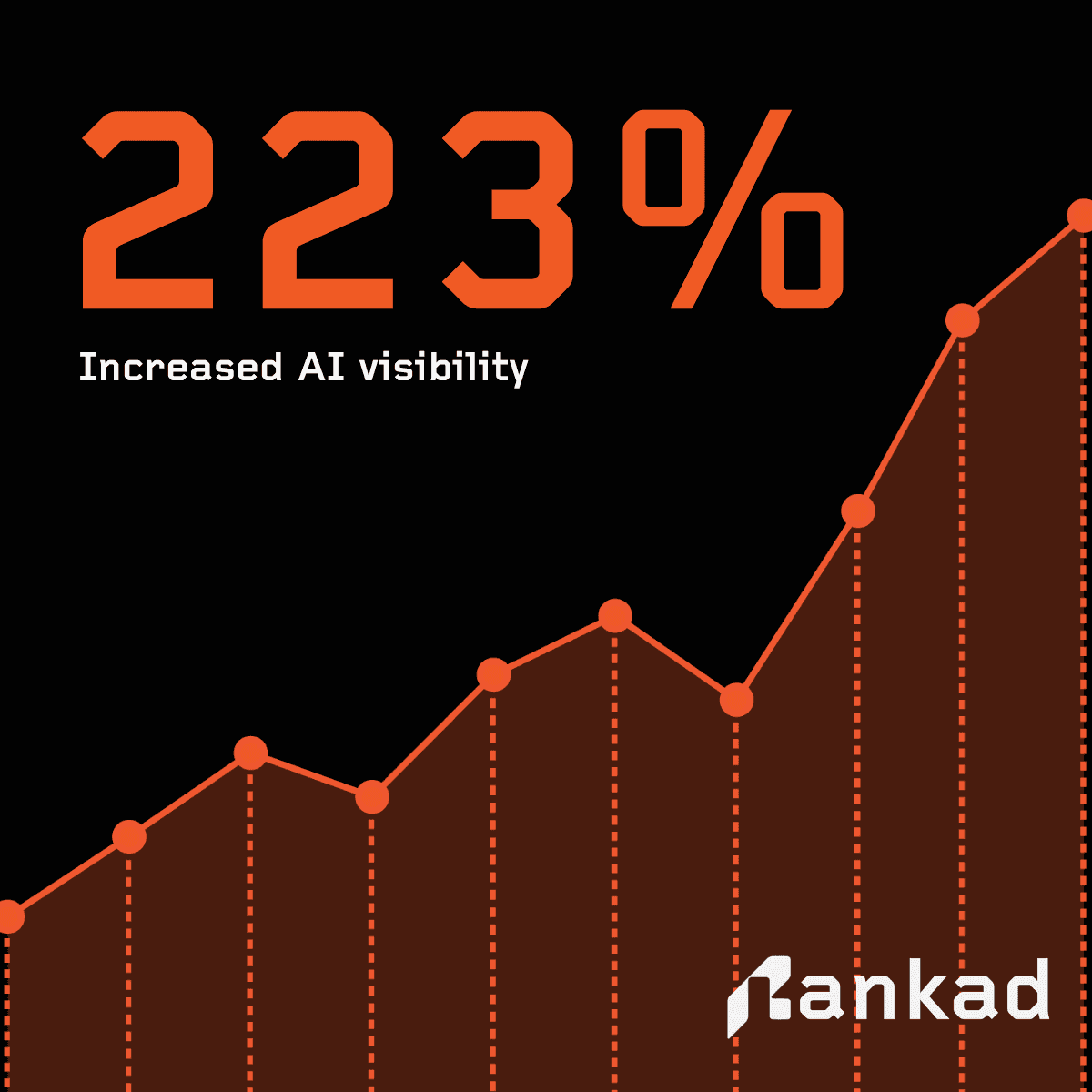
AI Search Optimization: How Rankad Helped 50+ Brands Achieve 223% Visibility Growth in 2026
Rankad.ai analyzed 50+ brands to uncover why most start with zero AI search visibility and how optimization can increase visibility by 223%. Learn actionable strategies for e-commerce, SaaS, and more.

AIO
How AI Chooses Brands: Best Practices for AI Search Optimization
Learn how AI systems decide which brands to mention in answers and recommendations, and how AI SEO, AEO, GEO, and AIO influence visibility.

Digital Marketing
AI SEO vs AEO vs GEO vs AIO: Key Differences and Best Practices for 2026
AI SEO, AEO, GEO, and AIO all impact how brands appear in AI answers. Learn the differences and why modern visibility needs all four.
free forever - no credit card needed